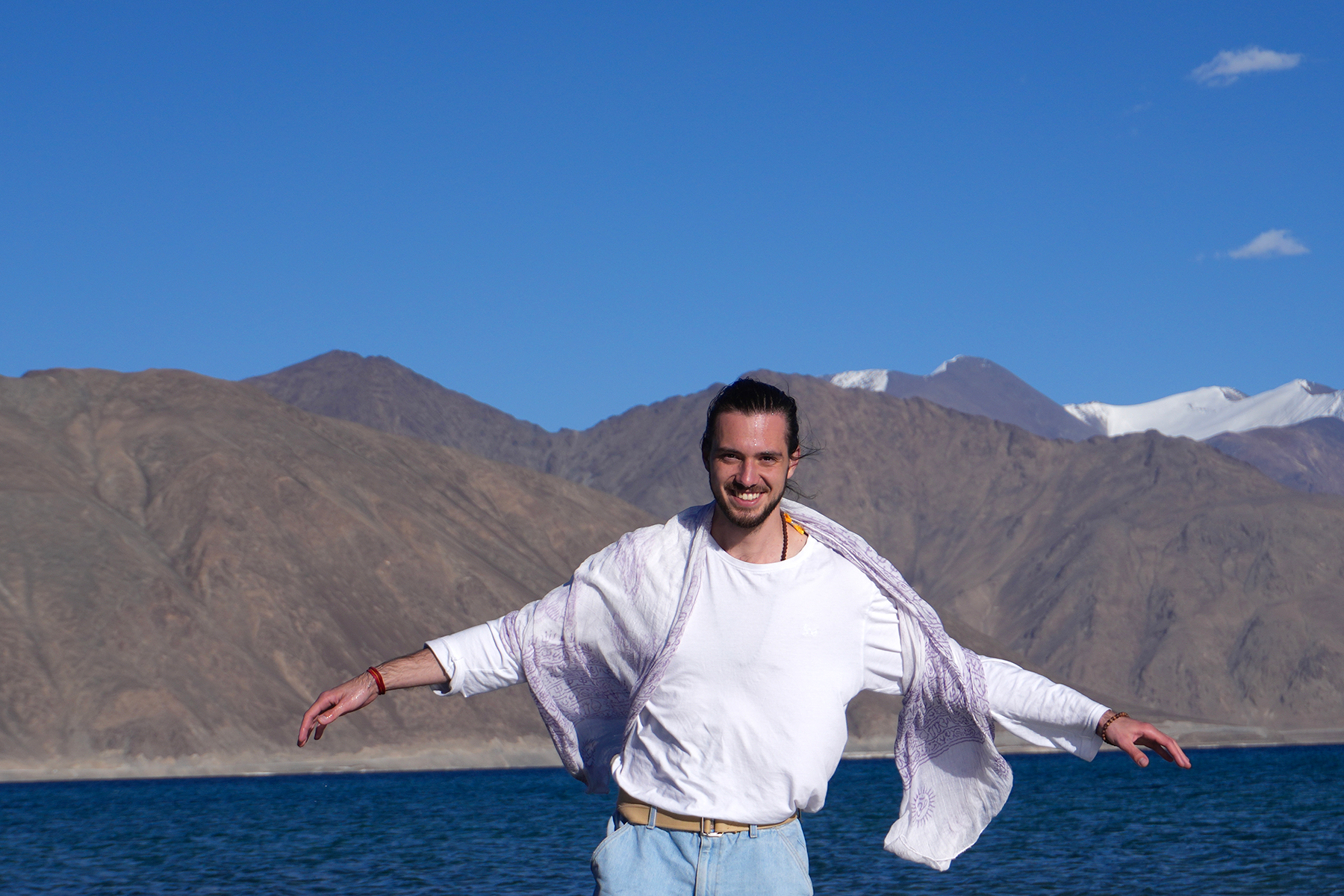
Nammaste
I’m Aron and this page offers a little bit of insight into my path so far, for you to have a better idea of who I am and what I wish to share.
I was born and raised in Budapest, Hungary. Thanks to my mother, I was fortunate to be introduced to Buddhist philosophy and practice from a young age. While I grew up in a culture that often reflected very different values, this early exposure gave me a lasting appreciation for Eastern traditions and a deep curiosity about questions of meaning, awareness, and how we relate to ourselves and others.
When I was fifteen, my family moved to Vancouver, Canada, as the political situation in Hungary was changing rapidly. It was there that I completed high school, began university, and discovered a growing passion for the arts—first through acting, and then, through dance.
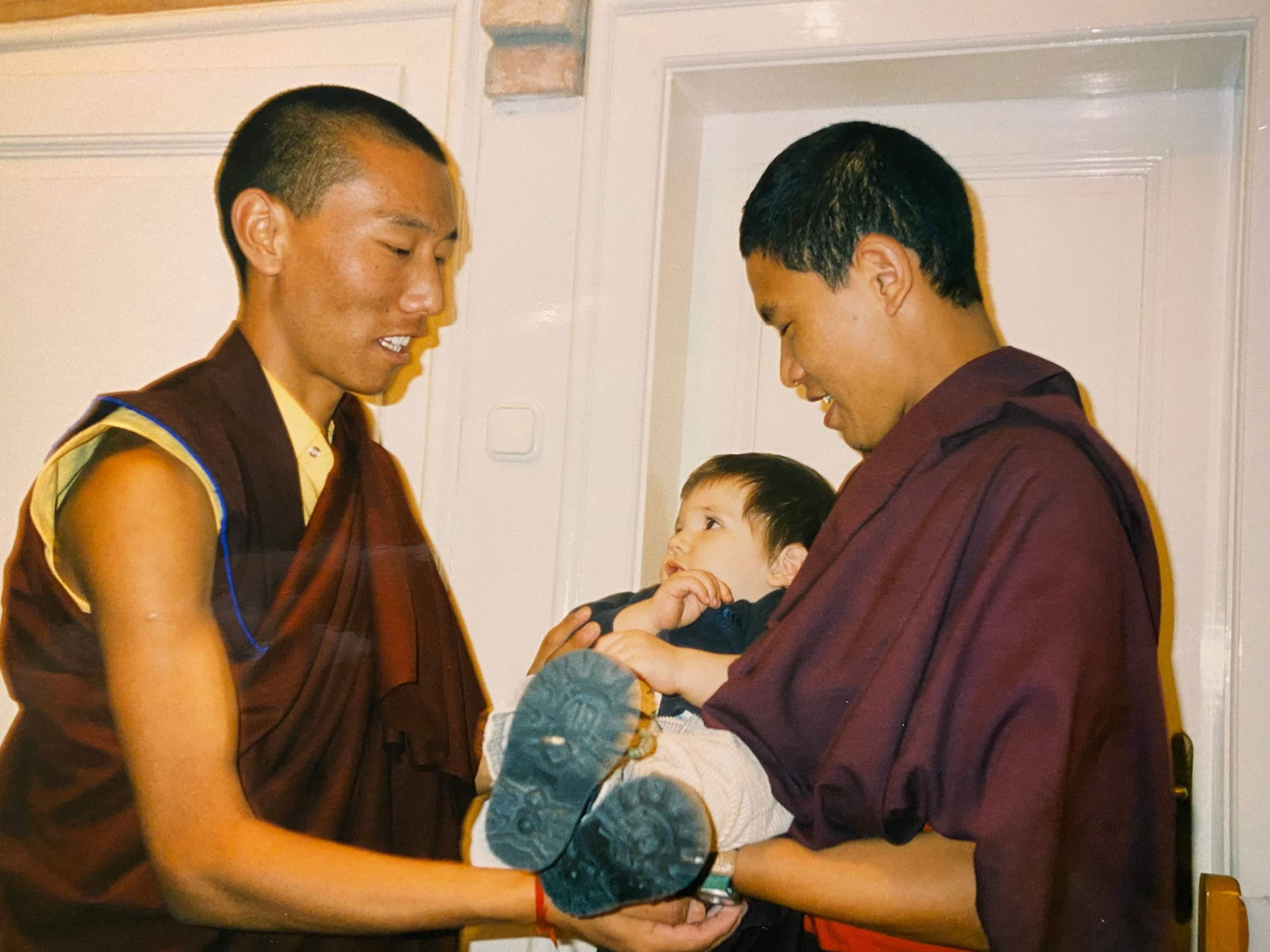
Canada brought many positive changes into my life. For the first time, I found myself in a truly international environment where people of different cultures, backgrounds, and faiths could live side by side. After my experiences in Hungary, this felt like a breath of fresh air.
At the same time, moving across the world at a young age also meant that I got to experience what it was like to feel without roots, without familiar ground beneath my feet, and separated from many of the people and places that had shaped me. Alongside the ordinary challenges of growing up came deeper questions of identity, loneliness, belonging, and meaning. I often found myself trying to fit into a society that, despite all the opportunities it offered, did not always feel aligned with something deeper in my heart.
Looking back, many of the difficulties of those years became an important turning point in my life. They pushed me to begin searching more seriously for answers and ultimately set me on a path that would lead far beyond the life I had imagined for myself.
As it often happens in life, everything changed suddenly and unexpectedly. Due to a medical emergency, the path I had been building in acting and dance came to an abrupt stop.
Once again, I found myself in a familiar yet newly frightening place: everything that had been the ground beneath my feet was suddenly gone. I was left in a kind of void, unable to continue the things that had previously brought me joy and direction, and uncertain of what came next.
What followed wasn’t a tragedy, but one of the most meaningful turning points of my life. Because in that space, I was forced to turn inward in a way I had never done before. It was during this time that I began to meditate daily—a practice I have continued ever since—and became deeply interested in spiritual traditions and ways of understanding life beyond the surface level of experience. The shift was so sudden and so complete that I could not fully process it at first. It took me about a year to adjust to this new reality, as I kept reaching back to old habits and patterns that suddenly became empty. Gradually, a new way of being started to emerge and everything in my life gave way to this.
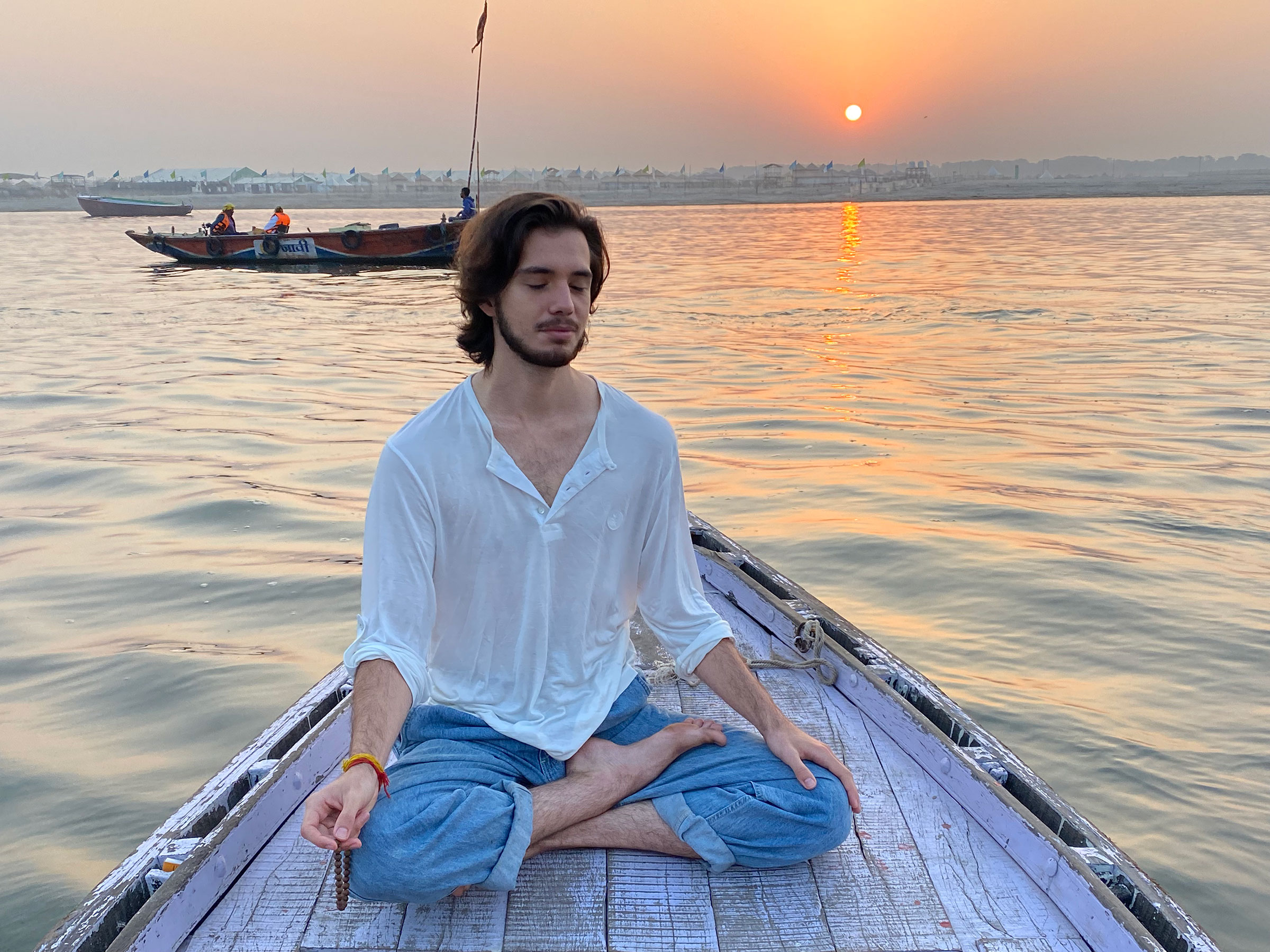
I spent the following two years traveling across India, staying mostly in ashrams and monasteries, studying under teachers and dedicating myself to practice. I immersed myself in yoga, pranayama, and meditation, and was introduced to Kashmir Shaivism, Hinduism, Buddhism, and to the practices of yoga and tantra.
I learned different ways of working with prana in the body, explored various concentration techniques for meditation, and had the chance to meet remarkable teachers and practitioners along the way. I found myself in an environment where Dharma was not an abstract idea, but a living, guiding principle at the center of daily life.
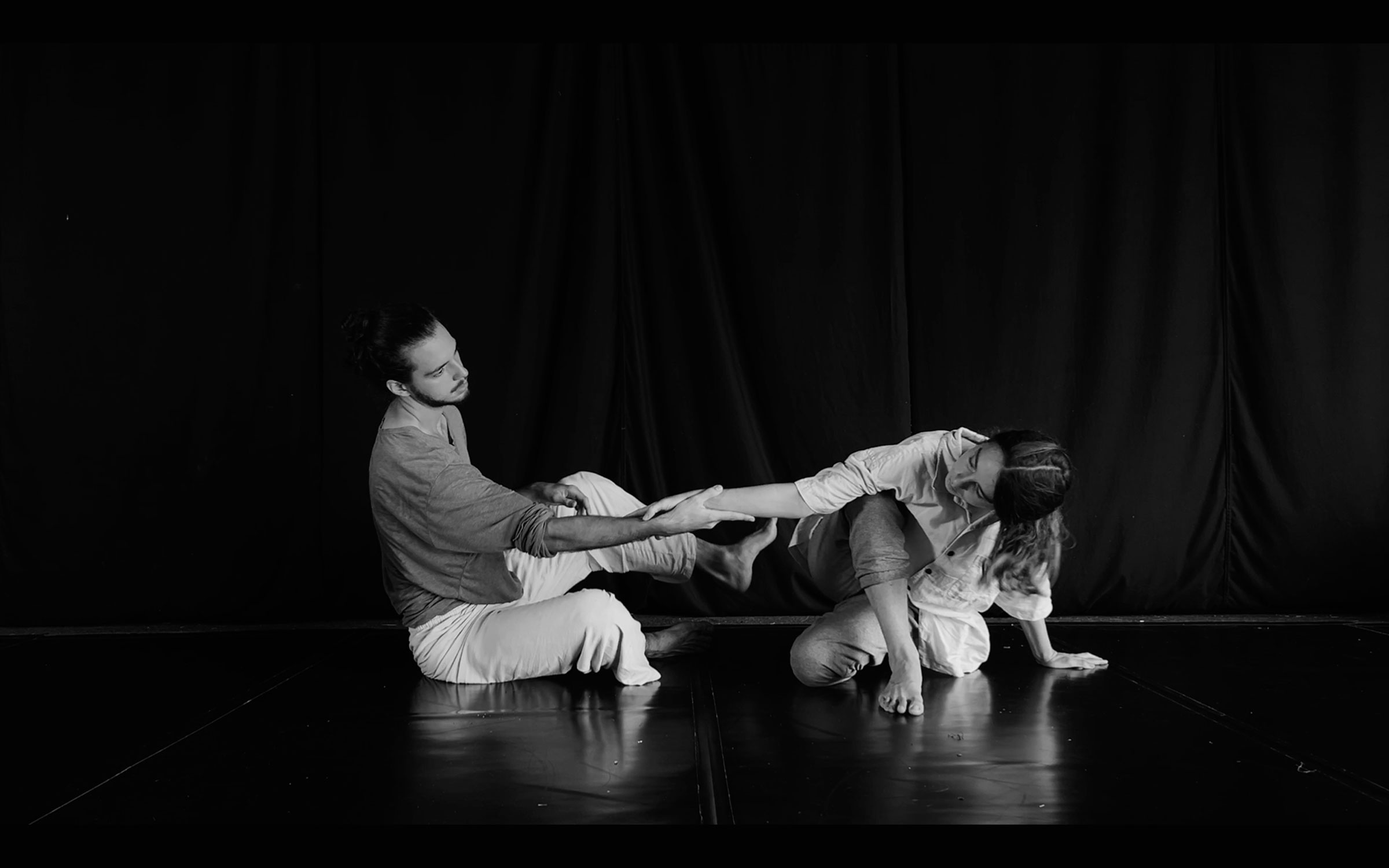
As the years went by, there arose an increasing need for integration—learning how to live in daily life, in the marketplace, and in relationship with others, while embodying the insights and understanding that came through meditation practice.
This has been the central focus of my life in recent years: learning how to bring all aspects of experience into the practice of awareness and meditation, not only in retreat settings, but through everyday activity and relationship.
In this process, I have been supported by my teachers. I had the chance to study with Ajahn Mike and Ajahn Putar in Thailand, who have played a significant role in my understanding of Vipassana meditation. Through their guidance and encouragement, I began to gradually make myself available to share the Dharma and the practice with others.
Mingyur Rinpoche has also been an ongoing source of support in my practice, along with the teachers I have encountered through contact improvisation, which has become another fundamental pillar of my path.
Over time, I have come to rely on these parallel streams of practice—Vipassana meditation and Contact Improvisation—as complementary supports. Together, they continue to shape how I engage with experience, both in stillness and in movement, in solitude and in relationship. Now, what I am working on is using every moment and situation in my life to deepen awareness and compassion.
It is not easy. The mind constantly finds new ways to hold on to things, to push away pain, to chase what is pleasurable, and to creating suffering through that process.
Eventually, I came to the realization that there is no good excuse for suffering. We have the capacity to be free, to be happy, and to live a fulfilled life through the practice of awareness and compassion, if we have the intention and willingness.