Author: aron
Quotes – Content
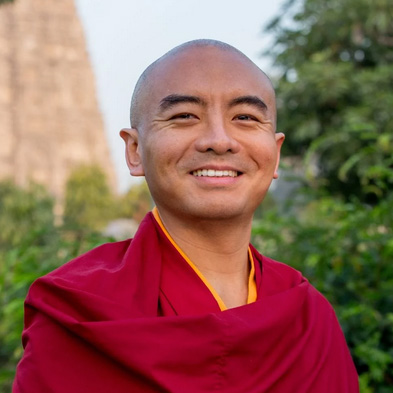
As a drop of water placed in the ocean becomes indistinct, boundless, unrecognizable, and yet still exists, so my mind merged with space. It was no longer a matter of me seeing trees, as I had become trees. Me and trees were one. Trees were not the object of awareness; they manifested awareness. Stars were not the object of appreciation but appreciation itself. No separate me loved the world. The world was love. My perfect home. Vast and intimate. Every particle was alive with love, fluid, flowing, without barriers. I was an alive particle, no interpretative mind, clarity beyond ideas. Vibrant, energetic, all-seeing. My awareness did not go toward anything, yet everything appeared — as an empty mirror both receives and reflects everything around it. A flower appears in the empty mirror of the mind, and the mind accepts its presence without inviting or rejecting
— Mingyur Rinpoche
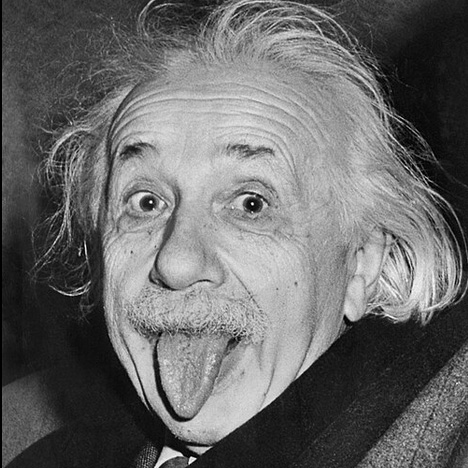
A human being is a part of the whole called by us the universe,
a part limited in time and space. He experiences himself, his thoughts and feelings, as something separate from the rest–a kind of optical delusion of his consciousness. This delusion is a kind of prison for us, restricting us to our personal desires and affection for a few persons nearest to us. Our task must be to free ourselves from this prison by widening our circle of understanding and compassion to embrace all living creatures and the whole of nature in its beauty.
— Albert Einstein
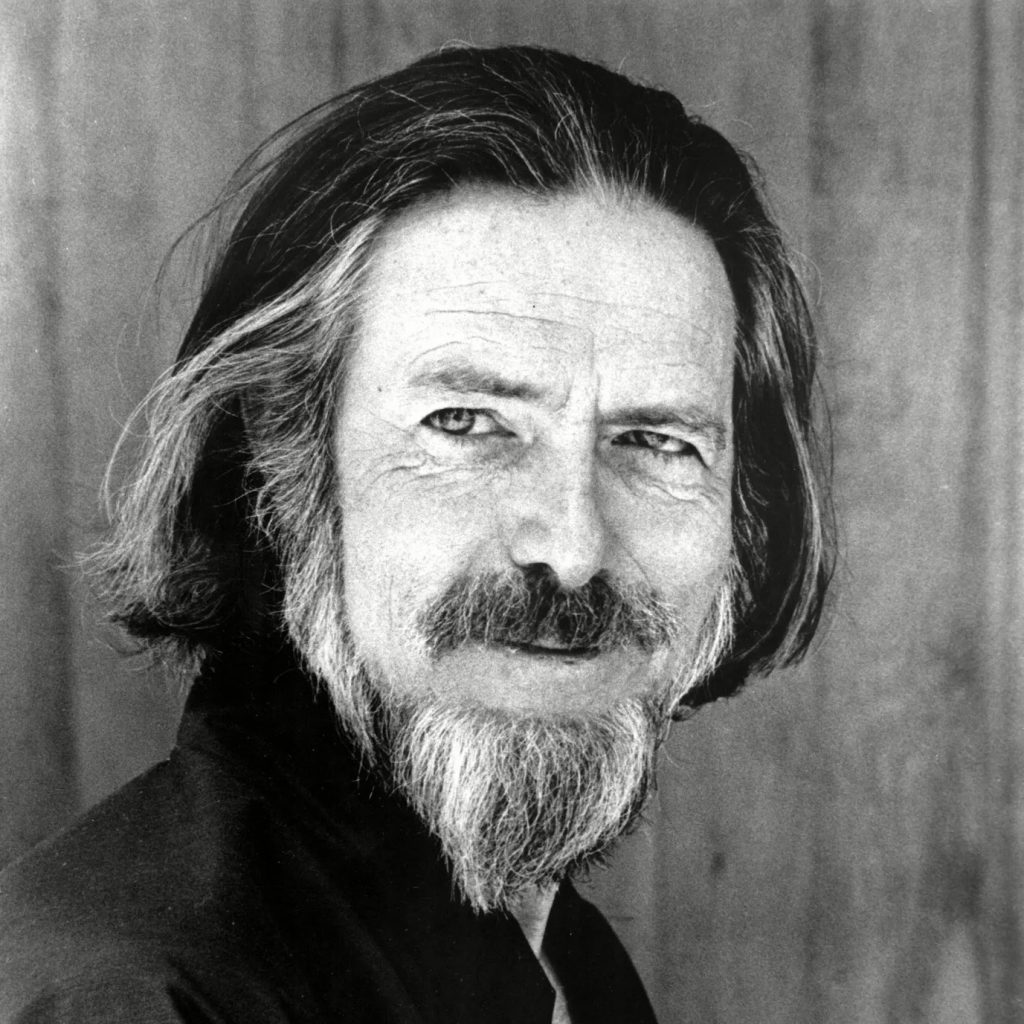
We could say that meditation doesn’t have a reason or doesn’t have a purpose. In this respect it’s unlike almost all other things we do except perhaps making music and dancing. When we make music we don’t do it in order to reach a certain point, such as the end of the composition. If that were the purpose of music then obviously the fastest players would be the best. Also, when we are dancing we are not aiming to arrive at a particular place on the floor as in taking a journey. When we dance, the journey itself is the point, as when we play music the playing itself is the point. And exactly the same thing is true in meditation. Meditation is the discovery that the point of life is always arrived at in the immediate moment.
— Alan Watts
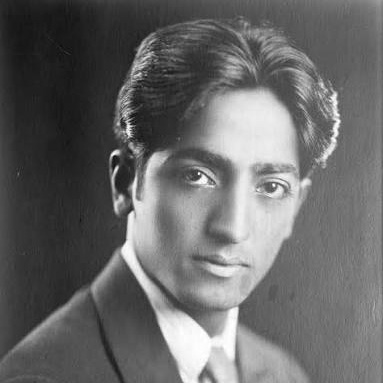
Meditation is a never-ending movement. You can never say that you are meditating or set aside a period for meditation. It isn’t at your command. Its benediction doesn’t come to you because you lead a systematized life or follow a particular routine or morality. It comes only when your heart is really open. Not opened by the key of thought, not made safe by the intellect, but when it is as open as the skies without a cloud; then it comes without your knowing, without your invitation. But you can never guard it, keep it, worship it. If you try, it will never come again: do what you will, it will avoid you. In meditation, you are not important, you have no place in it; the beauty of it is not you, but in itself. And to this you can add nothing. Don’t look out of the window hoping to catch it unawares, or sit in a darkened room waiting for it; it comes only when you are not there at all, and its bliss has no continuity.
— Krishnamurti
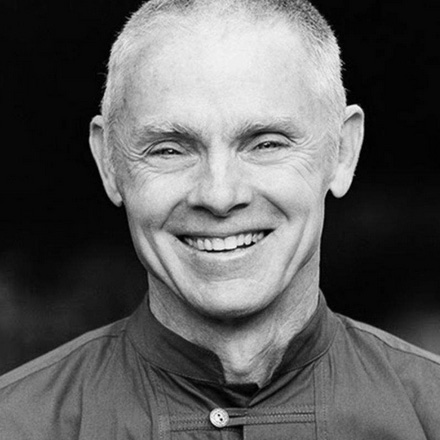
What if you let go of every bit of control and every urge that you have, right down to the most infinitesimal urge to control anything, anywhere, including anything that may be happening with you at this moment? Imagine that you were able to completely and absolutely give up control on every level. If you were able to give up control absolutely, totally, and completely, then you would be a spiritually free being. Many people have said that when you dig down to the deepest, deepest level of human emotional makeup, the primary emotion that keeps human beings separated is fear. I haven’t found that to be true. I find that the core issue that keeps human beings experiencing themselves as separate is the desire and will to control. Fear arises when you think you have no control. Or you become afraid when you realize you have no control but haven’t yet given up the desire for control. When I am talking about control, I am talking about everything. The most obvious kind of control occurs when human beings are trying to control each other.
— Adyashanti
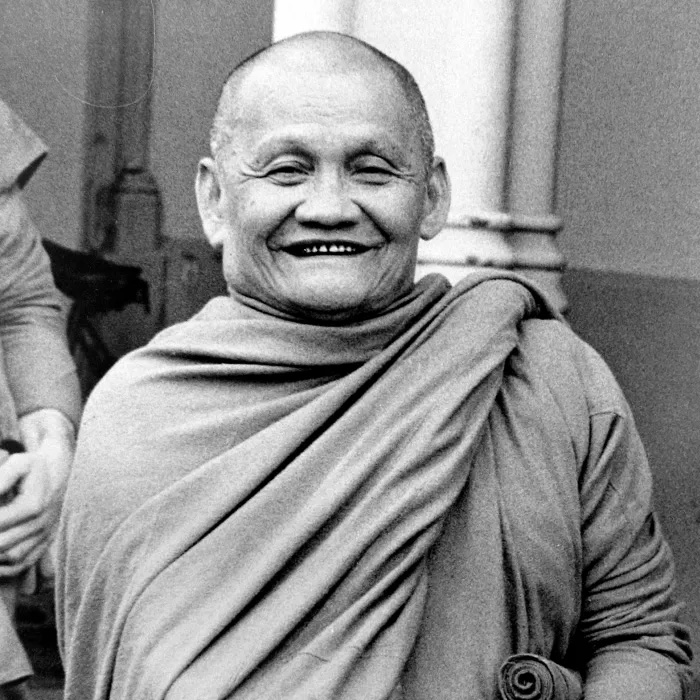
This mind of ours is already unmoving and peaceful, really peaceful. So we must train the mind to know these sense impressions and not get lost in them. Just this is the aim of all this difficult practice we put ourselves through.
— Ajahn Chah
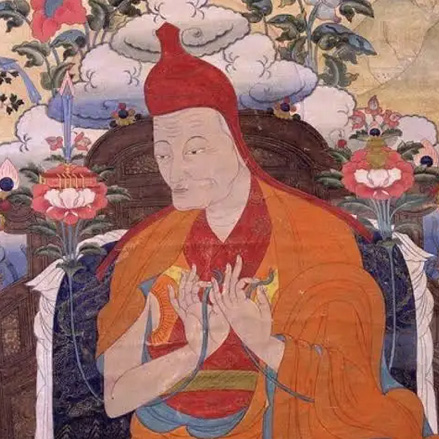
If you are able to make use of your mind then you don’t need to search for some other place of retreat; When concepts are absent, that is your retreat.
You don’t need to search outside for the guru; The nature of mind is the enlightened guru. You don’t need to worry about other spiritual practices to be done, Being without distraction is the heart of spiritual practice. You don’t need to deliberately abandon distractions, If your mindfulness is firm, things are spontaneously liberated. You don’t need to fear that afflictions will occur, If you recognize their nature it is primordial wisdom. Except for this momentary mind of yours, Saṃsāra and nirvāṇa are not established as anything else. Please always watch over the mind!
— Jamgon Kongtrul Lodrö Thaye
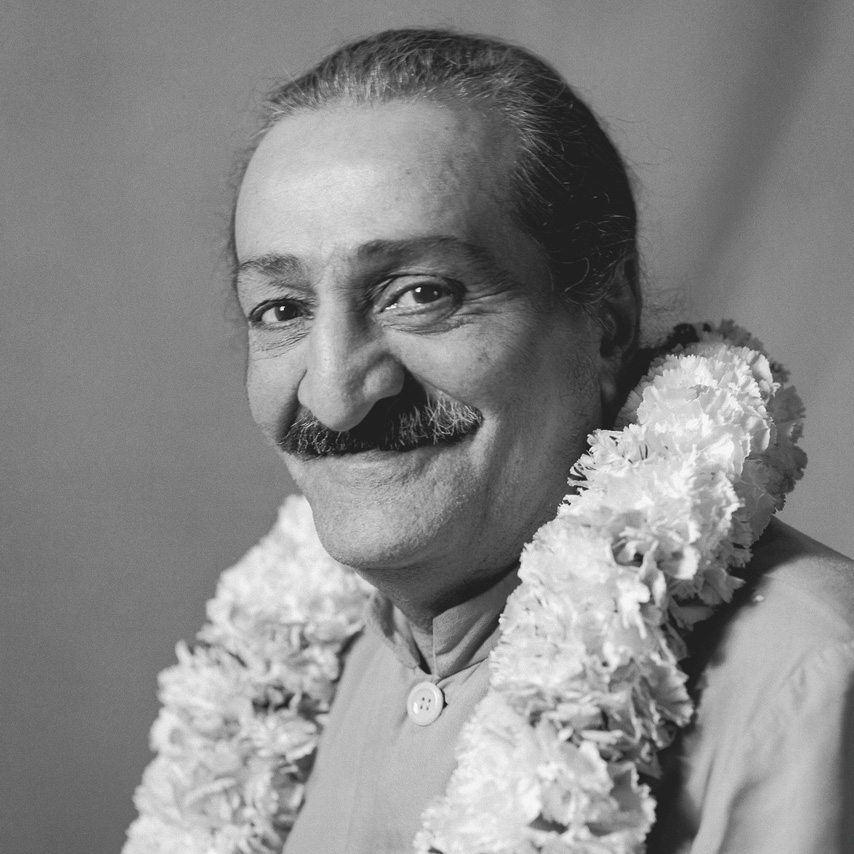
Love has to spring spontaneously from within; it is in no way amenable to any form of inner or outer force. Love and coercion can never go together; but while love cannot be forced upon anyone, it can be awakened through love itself.
Love is essentially self-communicative; those who do not have it catch it from those who have it. True love is unconquerable and irresistible. It goes on gathering power and spreading itself until eventually it transforms everyone it touches.
— Meher Baba
The world is not simply there. Everything and everyone we see, we view through the lenses of our thoughts. Your mind is where your thoughts arise and form. It is not simply with your eyes but with your mind that you see the world. So much depends on your mind: How you see yourself, who you think you are, how you see others, what you think the meaning of life is, how you see death, belief, God, darkness. Beauty is all determined by the style of mind you have.
Your mind is your greatest treasure. We become so taken up with the world, with having and doing more and more, we come to ignore who we are and forget what we see the world with. The most powerful way to change your life is to change your mind.
When you beautify your mind, you beautify your world. You learn to see differently. In what seemed like dead situations, secret possibilities and invitations begin to open before you. In old suffering that held you long paralyzed, you find new keys. When your mind awakens, your life comes alive and the creative adventure of your soul takes off. Passion and compassion become your new companions.
— John O Donohue
Self is only Being – not this or that. It is Simple Being. BE, and that is the end of ignorance. Your duty is not to be this or that. I am that I am sums up the whole truth. The method is summed up in the words Be still. Be as you really are. Be yourself and nothing more. Remain aware of yourself and all else will be known.
― Ramana Maharshi
The universe is made up of experiences that are designed to burn out your attachment, your clinging, to pleasure, to pain, to fear, to all of it. And as long as there is a place where you’re vulnerable, the universe will find a way to confront you with it.
― Ram Dass
Until you make the unconscious conscious, it will direct your life and you will call it fate. When inner conflicts remain hidden, we project them outward and the world acts out the conflict, which we then experience as fate
― Carl Jung
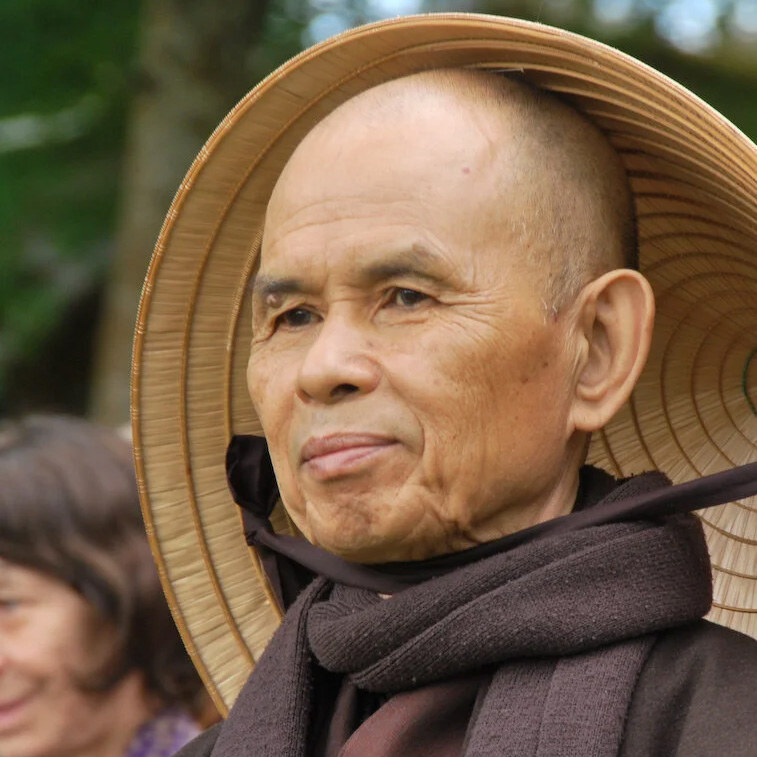
Don’t say that I will depart tomorrow — even today I am still arriving. Look deeply: every second I am arriving to be a bud on a Spring branch, to be a tiny bird, with still-fragile wings, learning to sing in my new nest, to be a caterpillar in the heart of a flower, to be a jewel hiding itself in a stone. I still arrive, in order to laugh and to cry, to fear and to hope. The rhythm of my heart is the birth and death of all that is alive. I am the mayfly metamorphosing on the surface of the river. And I am the bird that swoops down to swallow the mayfly. I am the frog swimming happily in the clear water of a pond. And I am the grass-snake that silently feeds itself on the frog. I am the child in Uganda, all skin and bones, my legs as thin as bamboo sticks. And I am the arms merchant, selling deadly weapons to Uganda. I am the twelve-year-old girl, refugee on a small boat, who throws herself into the ocean after being raped by a sea pirate. And I am the pirate, my heart not yet capable of seeing and loving. I am a member of the politburo, with plenty of power in my hands. And I am the man who has to pay his “debt of blood” to my people dying slowly in a forced-labor camp. My joy is like Spring, so warm it makes flowers bloom all over the Earth. My pain is like a river of tears, so vast it fills the four oceans. Please call me by my true names, so I can hear all my cries and my laughter at once, so I can see that my joy and pain are one. Please call me by my true names, so I can wake up, and so the door of my heart can be left open, the door of compassion.
― Tich Nhat Hanh
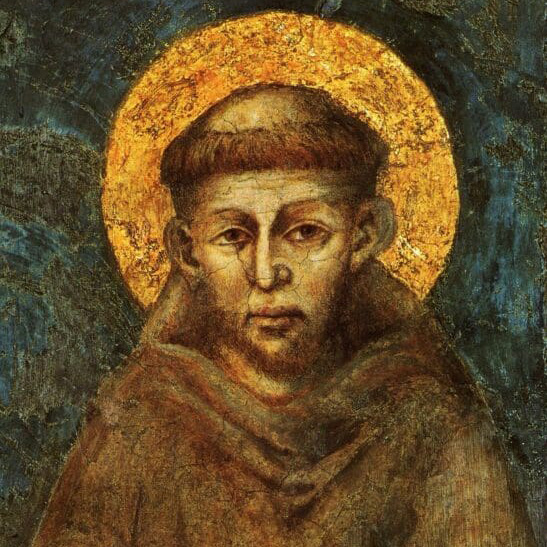
Lord, make me an instrument of your peace:
where there is hatred, let me bring love;
where there is injury, let me bring pardon;
where there is doubt, let me bring faith;
where there is despair, let me bring hope;
where there is darkness, let me bring light;
where there is sadness, let me bring joy.
O divine Master, grant that I may not so much seek
to be consoled as to console,
to be understood as to understand,
to be loved as to love.
For it is in giving that we receive,
it is in pardoning that we are pardoned,
and it is in dying that we are born to eternal life.
― St Francis of Assisi
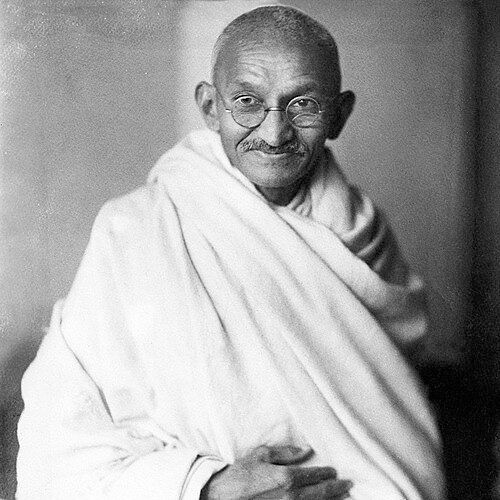
There comes a time when an individual becomes irresistible and his action becomes all-pervasive in its effect. This comes when he reduces himself to zero.
— Mahatma Gandhi
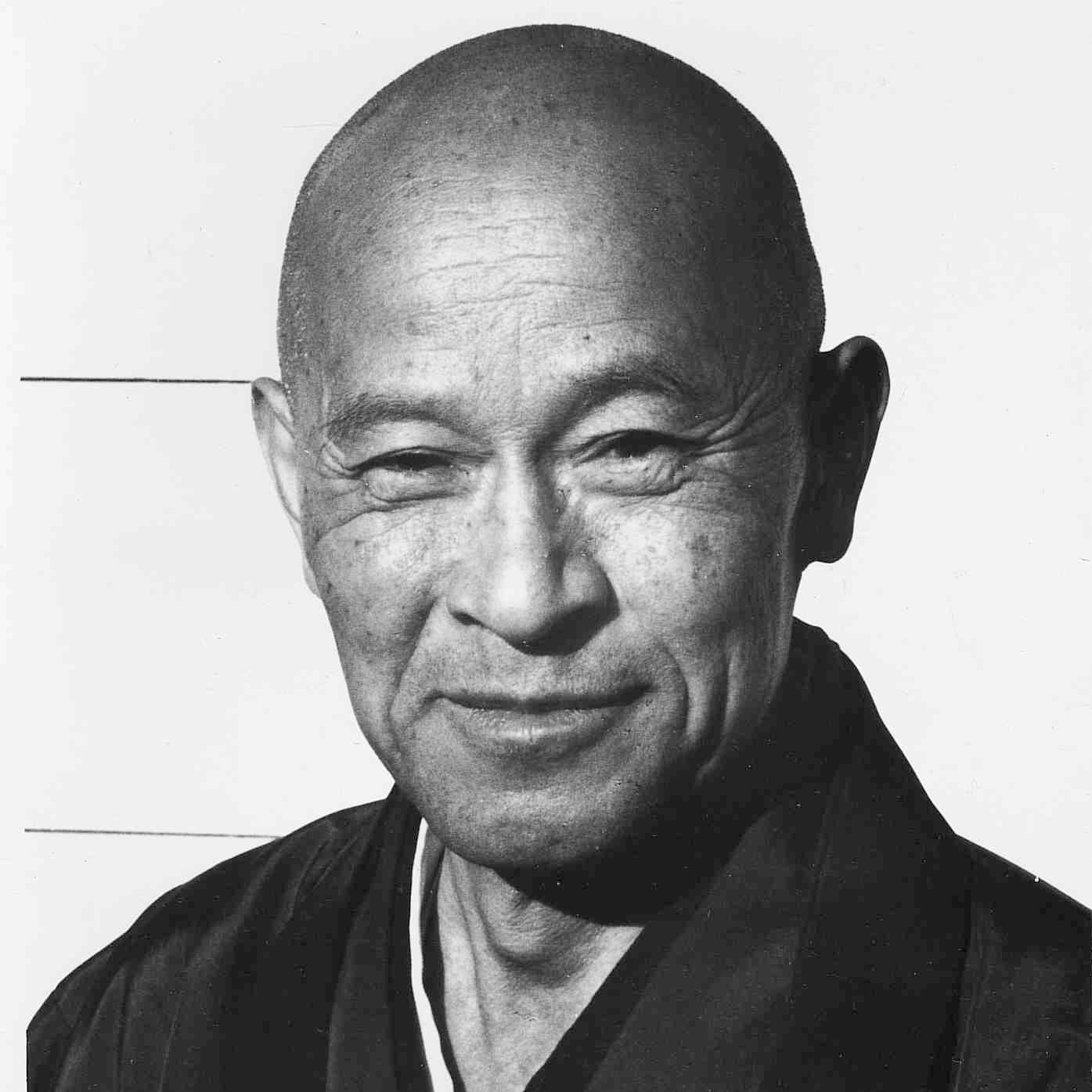
If your mind is empty, it is always ready for anything, it is open to everything. In the beginner’s mind there are many possibilities, but in the expert’s mind there are few.
― Shunryu Suzuki
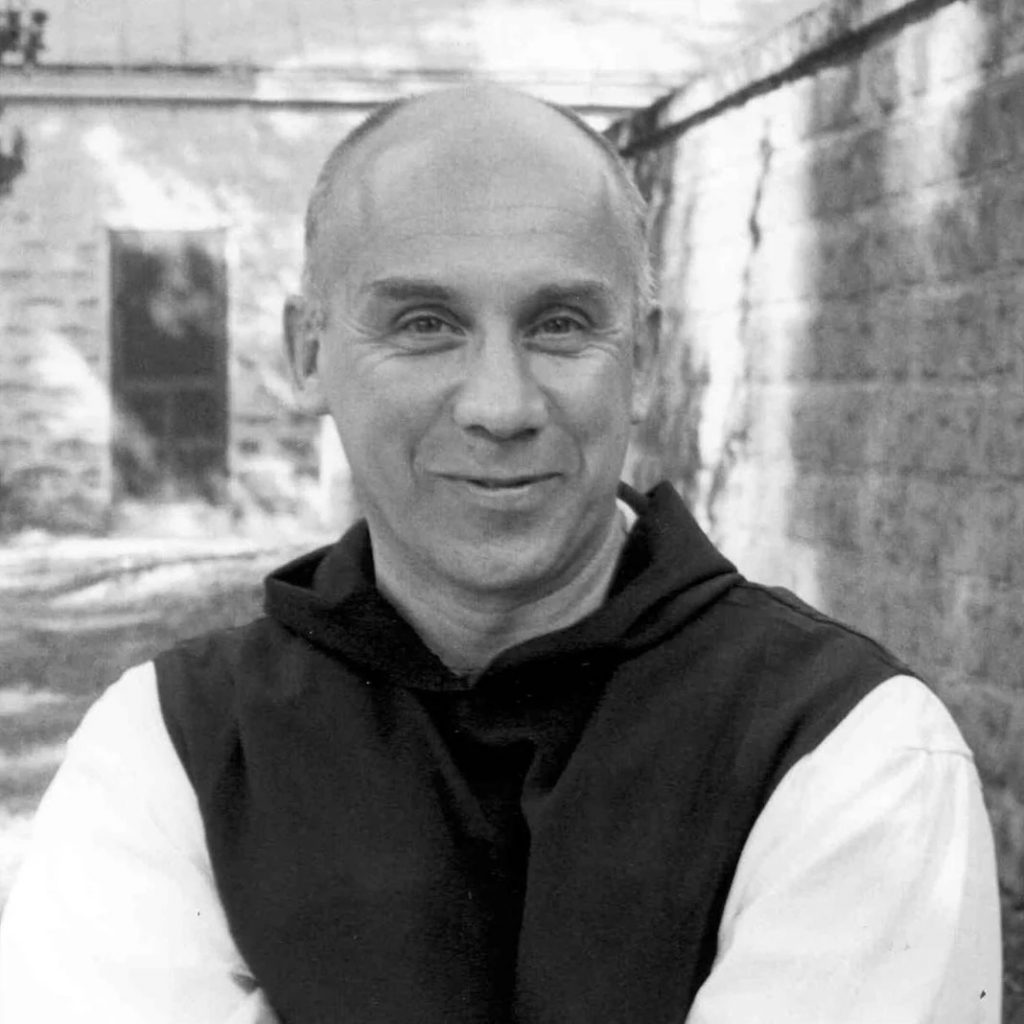
Then it was as if I suddenly saw the secret beauty of their hearts, the depths of their hearts where neither sin nor desire nor self-knowledge can reach, the core of their reality, the person that each one is in God’s eyes. If only they could see themselves as they really are. If only we could see each other that way all the time, there would be no more war, no more hatred, no more cruelty, no more greed . . . I suppose the big problem would be that we would fall down and worship each other.
― Thomas Merton
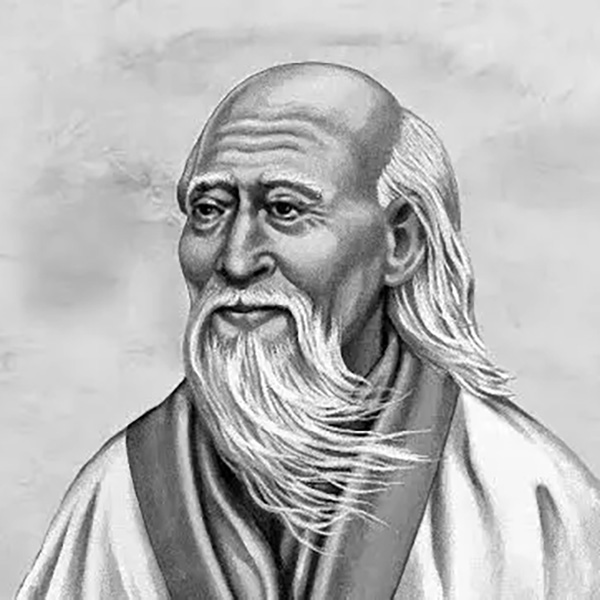
In the pursuit of knowledege, everyday something is added.
In the pursuit of the Tao, everyday something is dropped.
Less and less do you need to force things, until finally you arrive at non-action. When nothing is done, nothing is left undone.
― Lao Tzu
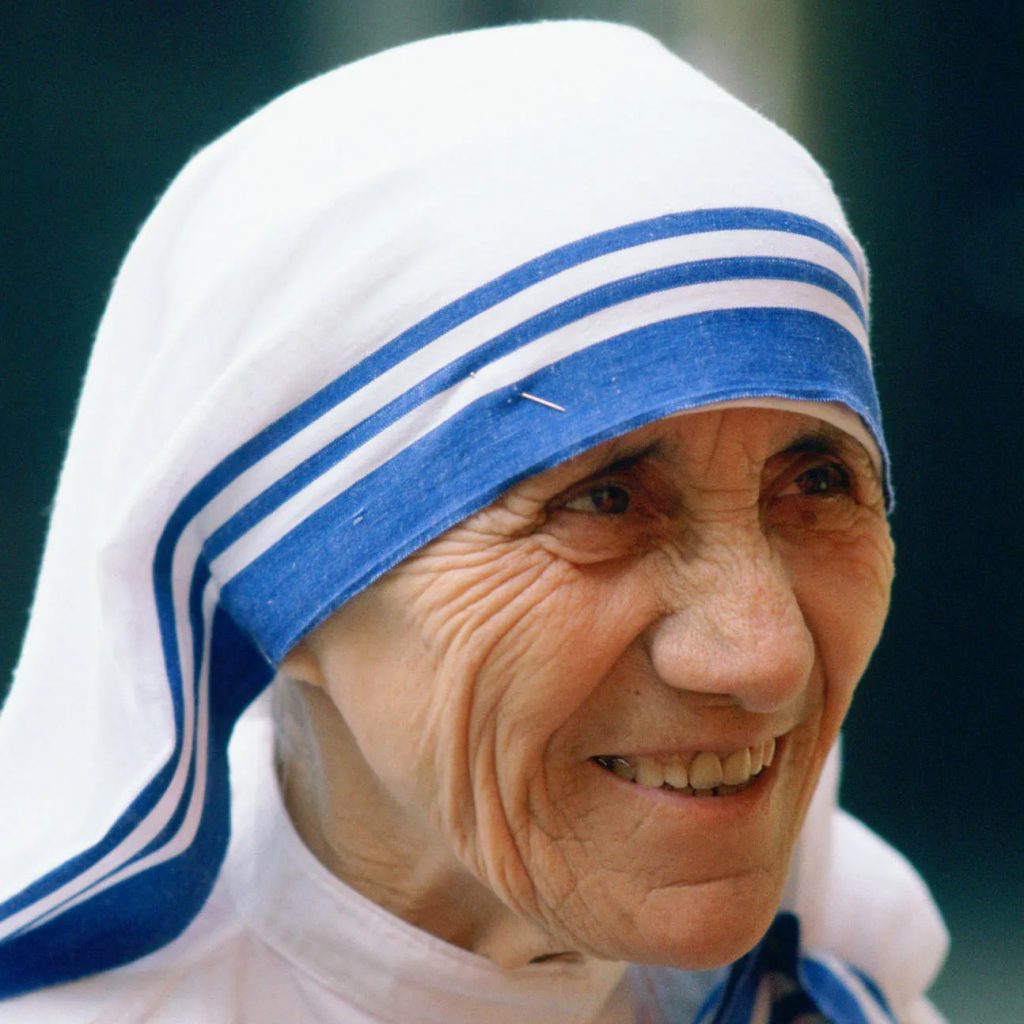
We must know that we have been created for greater things, not just to be a number in the world, not just to go for diplomas and degrees, this work and that work. We have been created in order to love and to be loved.
― Mother Teresa
Get In Touch
If you are interested in connecting, collaborating, or have any questions about upcoming workshops, please reach out through the email contact[at]aronkiss.com or form below.
Contact me
Your privacy is important to us.
Please review our Privacy Policy and Legal Notice.
Website built by COVISIONMEDIA
Vipassana
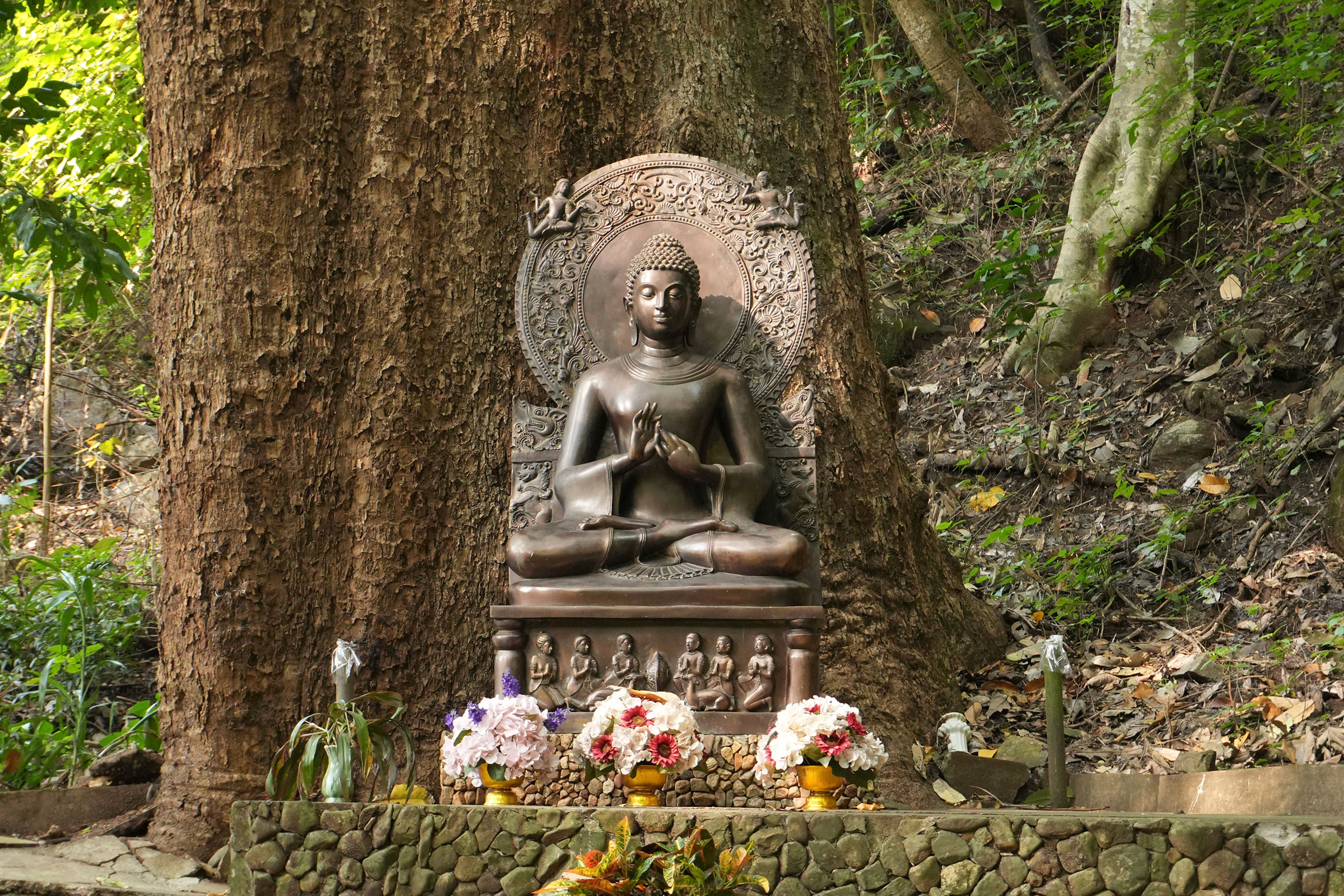
Vipassana means seeing clearly or insight. It is a practice that comes from the teachings of the Buddha and is based on mindfulness, observation of the body and mind in the present moment, and an investigation into the nature of experience.
Unlike other meditation techniques, Vipassana is not only about developing concentration but about understanding how the mind works through direct observation.
Concentration quiets the mind by narrowing attention to one point — the breath, a word, or a repeated pattern. As attention stabilizes, mental activity can become calmer and more unified. This can create a sense of peace and stillness.
Nammaste

I’m Aron and this page offers a little bit of insight into my path so far, for you to have a better idea of who I am and what I wish to share.
I was born and raised in Budapest, Hungary. Thanks to my mother, I was fortunate to be introduced to Buddhist philosophy and practice from a young age. While I grew up in a culture that often reflected very different values, this early exposure gave me a lasting appreciation for Eastern traditions and a deep curiosity about questions of meaning, awareness, and how we relate to ourselves and others.
When I was fifteen, my family moved to Vancouver, Canada, as the political situation in Hungary was changing rapidly. It was there that I completed high school, began university, and discovered a growing passion for the arts—first through acting, and then, through dance.
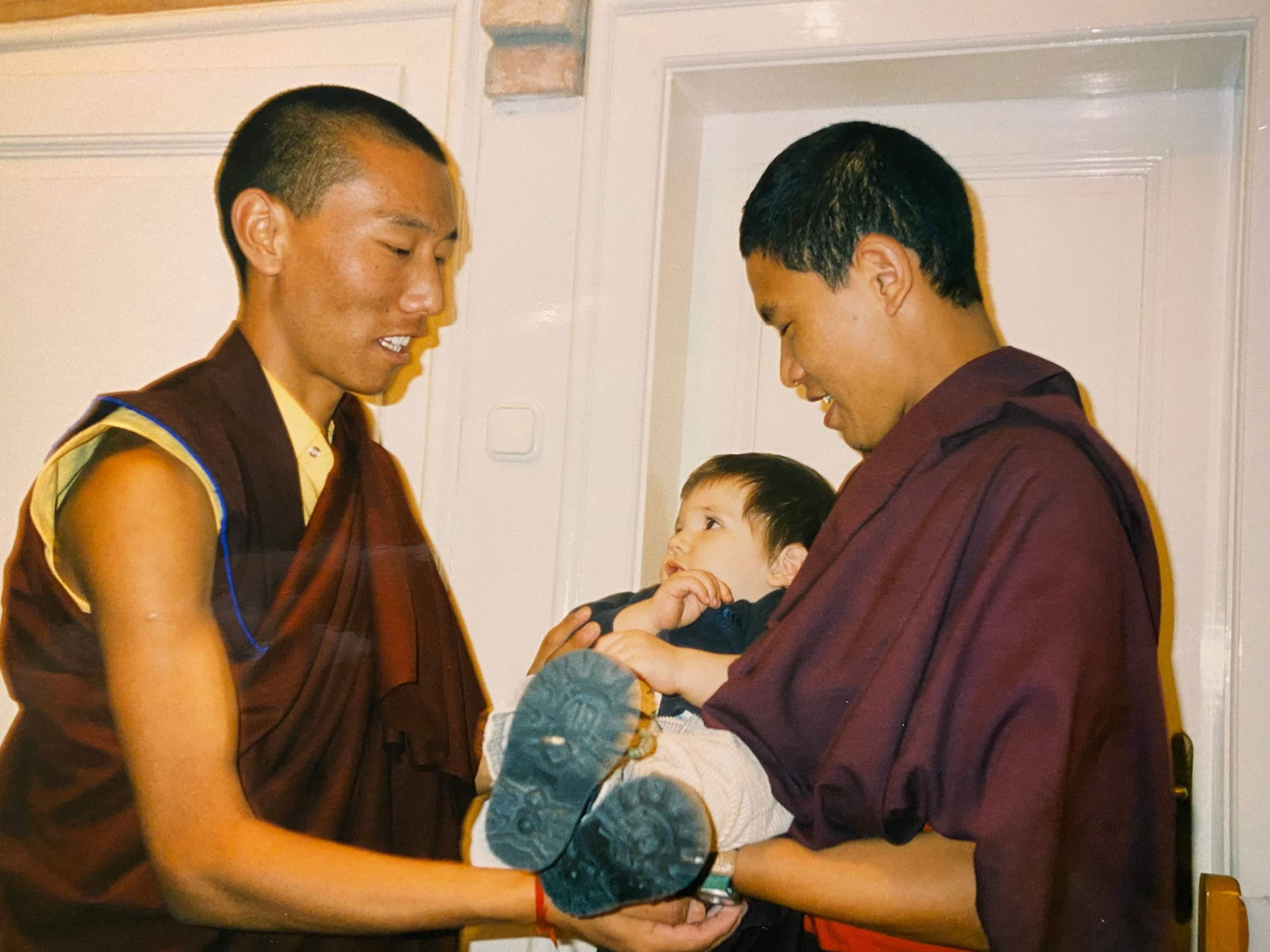
Canada brought many positive changes into my life. For the first time, I found myself in a truly international environment where people of different cultures, backgrounds, and faiths could live side by side. After my experiences in Hungary, this felt like a breath of fresh air.
At the same time, moving across the world at a young age also meant that I got to experience what it was like to feel without roots, without familiar ground beneath my feet, and separated from many of the people and places that had shaped me. Alongside the ordinary challenges of growing up came deeper questions of identity, loneliness, belonging, and meaning. I often found myself trying to fit into a society that, despite all the opportunities it offered, did not always feel aligned with something deeper in my heart.
Looking back, many of the difficulties of those years became an important turning point in my life. They pushed me to begin searching more seriously for answers and ultimately set me on a path that would lead far beyond the life I had imagined for myself.
As it often happens in life, everything changed suddenly and unexpectedly. Due to a medical emergency, the path I had been building in acting and dance came to an abrupt stop.
Once again, I found myself in a familiar yet newly frightening place: everything that had been the ground beneath my feet was suddenly gone. I was left in a kind of void, unable to continue the things that had previously brought me joy and direction, and uncertain of what came next.
What followed wasn’t a tragedy, but one of the most meaningful turning points of my life. Because in that space, I was forced to turn inward in a way I had never done before. It was during this time that I began to meditate daily—a practice I have continued ever since—and became deeply interested in spiritual traditions and ways of understanding life beyond the surface level of experience. The shift was so sudden and so complete that I could not fully process it at first. It took me about a year to adjust to this new reality, as I kept reaching back to old habits and patterns that suddenly became empty. Gradually, a new way of being started to emerge and everything in my life gave way to this.
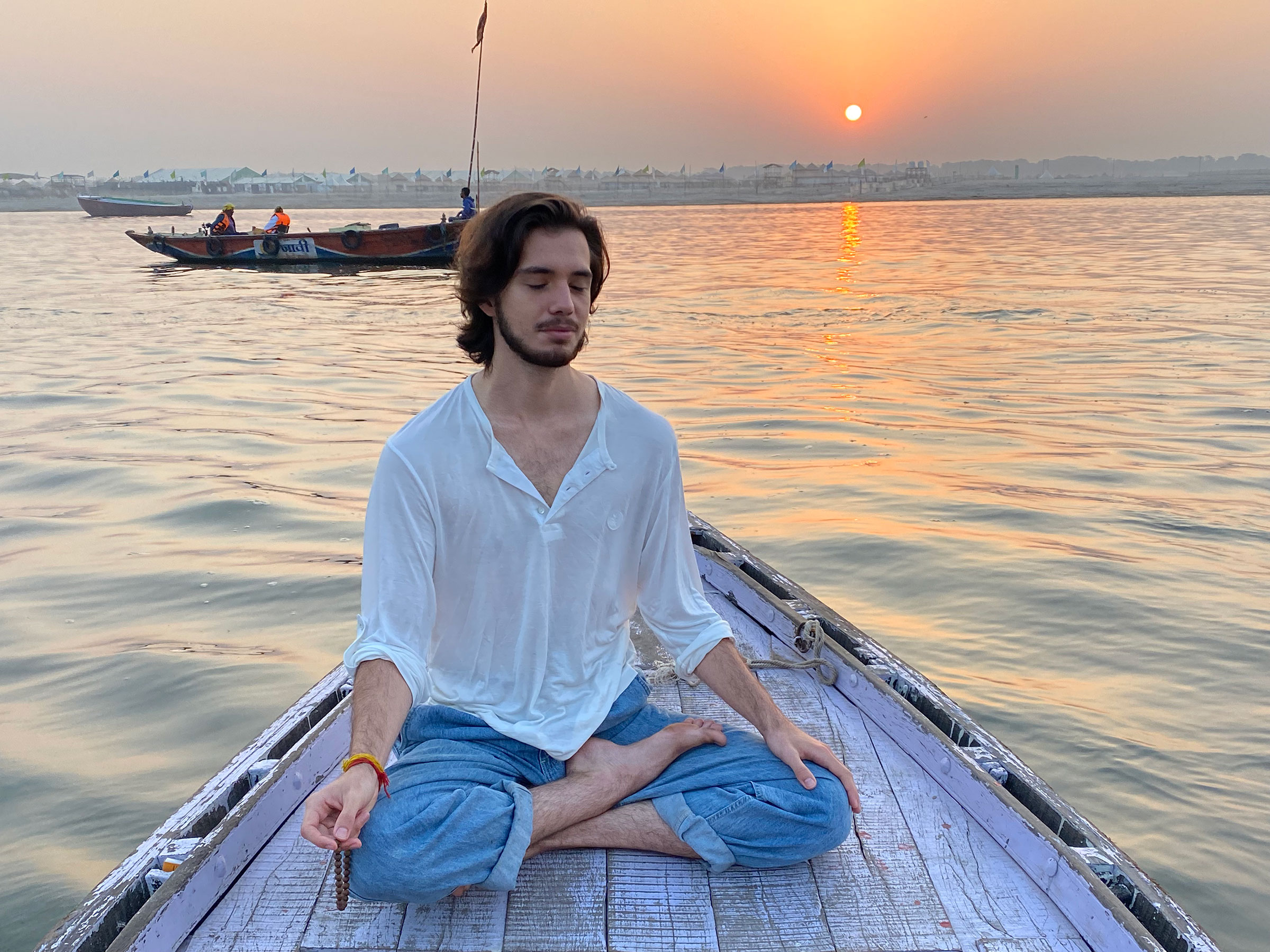
I spent the following two years traveling across India, staying mostly in ashrams and monasteries, studying under teachers and dedicating myself to practice. I immersed myself in yoga, pranayama, and meditation, and was introduced to Kashmir Shaivism, Hinduism, Buddhism, and to the practices of yoga and tantra.
I learned different ways of working with prana in the body, explored various concentration techniques for meditation, and had the chance to meet remarkable teachers and practitioners along the way. I found myself in an environment where Dharma was not an abstract idea, but a living, guiding principle at the center of daily life.
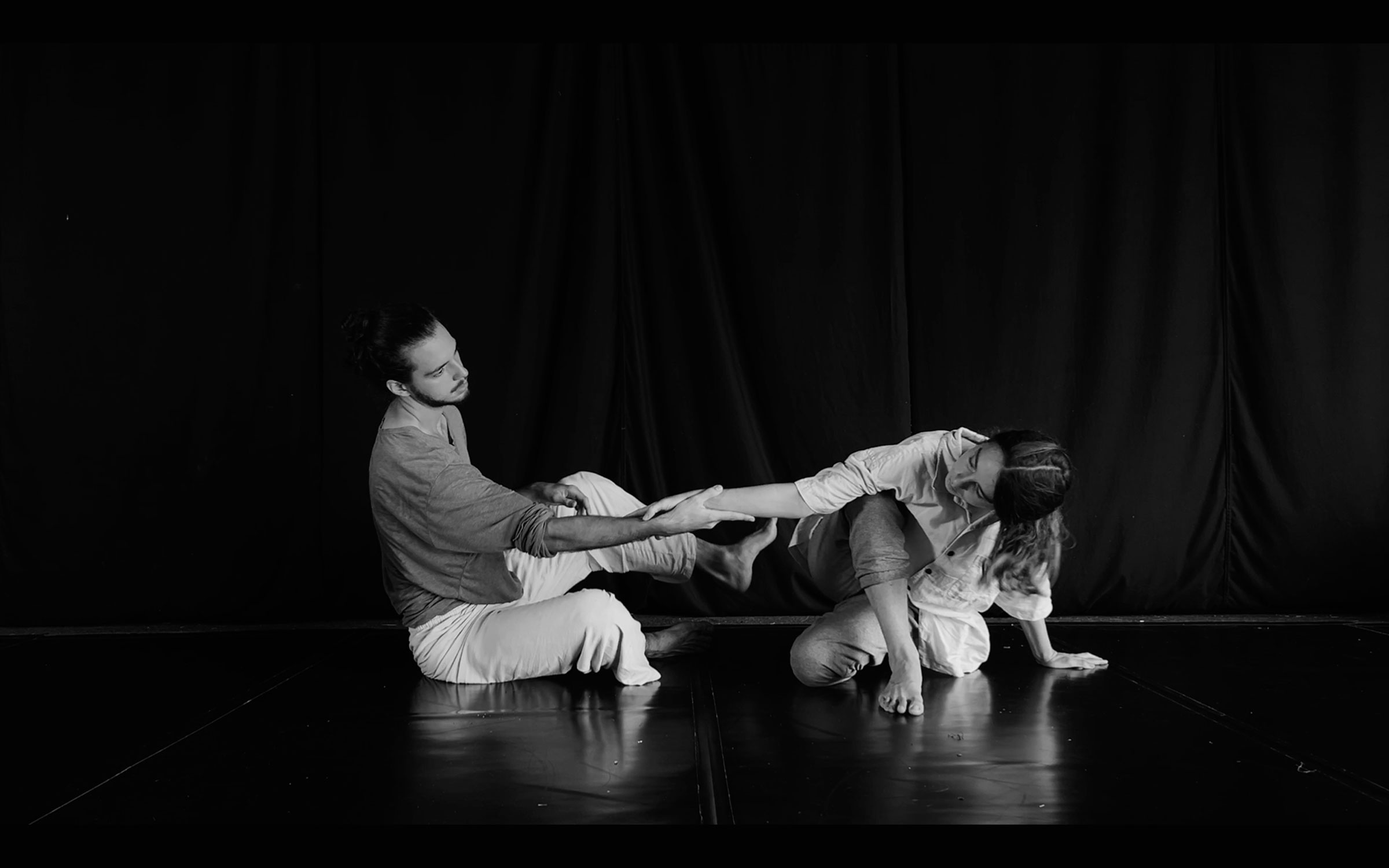
As the years went by, there arose an increasing need for integration—learning how to live in daily life, in the marketplace, and in relationship with others, while embodying the insights and understanding that came through meditation practice.
This has been the central focus of my life in recent years: learning how to bring all aspects of experience into the practice of awareness and meditation, not only in retreat settings, but through everyday activity and relationship.
In this process, I have been supported by my teachers. I had the chance to study with Ajahn Mike and Ajahn Putar in Thailand, who have played a significant role in my understanding of Vipassana meditation. Through their guidance and encouragement, I began to gradually make myself available to share the Dharma and the practice with others.
Mingyur Rinpoche has also been an ongoing source of support in my practice, along with the teachers I have encountered through contact improvisation, which has become another fundamental pillar of my path.
Over time, I have come to rely on these parallel streams of practice—Vipassana meditation and Contact Improvisation—as complementary supports. Together, they continue to shape how I engage with experience, both in stillness and in movement, in solitude and in relationship. Now, what I am working on is using every moment and situation in my life to deepen awareness and compassion.
It is not easy. The mind constantly finds new ways to hold on to things, to push away pain, to chase what is pleasurable, and to creating suffering through that process.
Eventually, I came to the realization that there is no good excuse for suffering. We have the capacity to be free, to be happy, and to live a fulfilled life through the practice of awareness and compassion, if we have the intention and willingness.